
Inventory that changes with demand
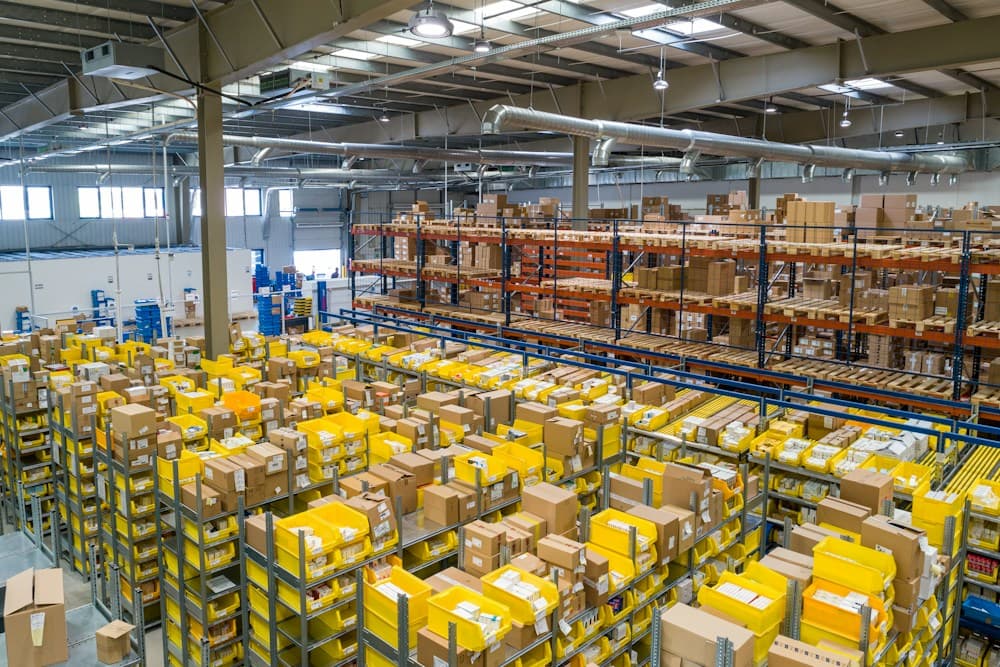
Seasonal peaks, multiple warehouses, and goods held for others can affect the values and interests that need to be considered.
ONTARIO INSURANCE / WHOLESALE & DISTRIBUTION
Your business connects products with the people who need them. Review the risks that follow your goods from incoming shipments to storage, sale, and delivery.
Request a Commercial QuoteProtect what matters, plan for more.
01 / UNDERSTAND YOUR EXPOSURES
A practical insurance review begins with the details of your operations and the events that could interrupt them.
Seasonal peaks, multiple warehouses, and goods held for others can affect the values and interests that need to be considered.
Losses in transit can raise questions about ownership, delivery terms, carrier responsibility, and the value at risk.
A property loss, equipment failure, or interruption at a key supplier may affect orders and cash flow. Each dependency needs a policy-specific discussion.
02 / COMMONLY CONSIDERED COVERAGES
These are discussion points, not a package automatically included in a policy. Each option depends on your operations and insurer terms.
Discuss warehouse contents, handling equipment, seasonal stock, and how the insurer will value goods after an insured loss.
Coverage overviewConsider products you import or distribute, where they are sold, and third-party injury or property damage allegations.
Coverage overviewReview goods in transit, delivery terms, transportation methods, and territories. A carrier’s liability is not a substitute for reviewing your own cargo exposure.
Coverage overviewExplore income and extra-expense needs following an insured event, with particular attention to triggers and named dependencies.
Coverage overviewIf refrigeration or other equipment protects your stock, ask how breakdown, temperature changes, and spoilage are treated.
Coverage overviewDiscuss your delivery fleet and digital ordering systems separately, including drivers, operational territory, and incident exposures.
Coverage overview03 / YOUR KIND OF BUSINESS
Examples of businesses to discuss with Fortiva. Eligibility and available coverage are subject to underwriting.
04 / WHY WORK WITH AN INSURANCE BROKER?
A broker can help you describe your operations, understand available options, and review the terms that deserve attention.
Bring product descriptions, sales territories, stock values and peak levels, warehouse details, shipping terms, transport arrangements, dependencies, and claims history.
Compare limits, deductibles, conditions, and exclusions. Discuss the gaps between your business responsibilities and what a policy actually insures.
Tell your broker about changes in activities, values, locations, products, or contracts so your insurance can be reviewed against the facts.
QUESTIONS, ANSWERED
Start with the questions that matter to you. Your policy and circumstances always guide the details.
Tell your broker about expected peak values and locations. Check the policy’s stock limits, valuation basis, and any seasonal provisions before assuming temporary increases are covered.
Do not assume it covers your full interest or value. Review shipping terms and the carrier’s responsibility, then discuss whether separate cargo or transit coverage is appropriate for your shipments.
Yes. Explain where products are made, how they are used, the countries in which you sell, and your role in the supply chain. Product characteristics and territories can affect liability underwriting.
No. Coverage may depend on the cause, equipment, temperature conditions, and specific wording. Discuss refrigeration breakdown, power interruption, monitoring, limits, and any spoilage coverage separately.
Not necessarily. Ordinary delivery delays are not automatically insured. Any dependent-property or contingent-interruption coverage has its own triggers, locations, conditions, and limits.
YOUR NEXT CONVERSATION / FORTIVA INSURANCE
Let’s discuss your business, operations, and coverage priorities.